Article: How to Brew the Perfect Cup of Matcha: Health Benefits & Plastic-Free Tools
How to Brew the Perfect Cup of Matcha: Health Benefits & Plastic-Free Tools
Matcha isn’t just another health trend—it’s an ancient tradition that offers lasting wellness when prepared correctly. Whether you’re chasing the benefit of drinking matcha green tea or seeking mindful daily rituals, the tools you use matter just as much as the tea itself.
Today, we’ll explore the health benefits of matcha, how to make the perfect cup, and why choosing plastic-free tools, like our handcrafted Matcha Bowls, helps protect your health and elevate every sip.
What Are the Benefits of Matcha Green Tea?
Matcha has been revered for centuries for its impressive health benefits, and now, modern research supports its effectiveness. Here’s why people around the world are embracing the benefits of drinking matcha and making it part of their routine:
-
Rich in Antioxidants: Matcha contains up to 30 to 300 times more polyphenols than traditional teas. These antioxidants help protect your cells, fight oxidative stress, and may support long-term well-being [1][2].
-
Promotes Calm, Focused Energy: The combination of caffeine and L-theanine offers alert relaxation, —boosting mental clarity without the jitters often associated with coffee [2].
-
Supports Metabolic Health: Studies suggest matcha health properties can enhance metabolism and support healthy weight management [1].
-
Boosts Brain Function: Matcha and green tea have been linked to improved memory, sharper cognitive performance, and protection of long-term brain health. These are essential benefits from matcha tea that support everyday well-being [1].
-
Encourages Mindful Habits: More than just a drink, preparing matcha creates an opportunity for mindfulness. The slow, intentional process of whisking and sipping invites you to pause, connect, and enjoy [2].

What’s Hiding in Your Cup?
According to health expert Dr. Yvonne Burkart:
"Coffee, tea, and matcha are very likely to be contaminated with things like mold, heavy metals, and microplastics… It’s important to choose the right brands and use the right equipment when making our favourite cup each day.”
But don’t let that deter you—when you know what to look for, your daily ritual becomes both safe and nourishing.
For the best health benefits and peace of mind, experts recommend opting for ceremonial-grade matcha. Ceremonial matcha is the highest quality available, made from the youngest, most tender tea leaves, resulting in a smooth, vibrant green powder with a delicate, naturally sweet flavour. It’s traditionally used in Japanese tea ceremonies and prized for its purity and nutritional profile. For the best results, look for lab-tested, organic matcha from reputable brands that openly share their sourcing and testing practices
The Importance of a Plastic-Free, Handmade Matcha Bowl
Your tools matter just as much as your ingredients. Even high-quality matcha can be compromised when prepared in plastic or chemically-treated vessels. Studies have found that hot liquids cause plastic cups to release micro- and nanoplastics, which can act as carriers for toxins like BPA, phthalates, and PFAS—substances linked to hormone disruption and chronic inflammation [3].
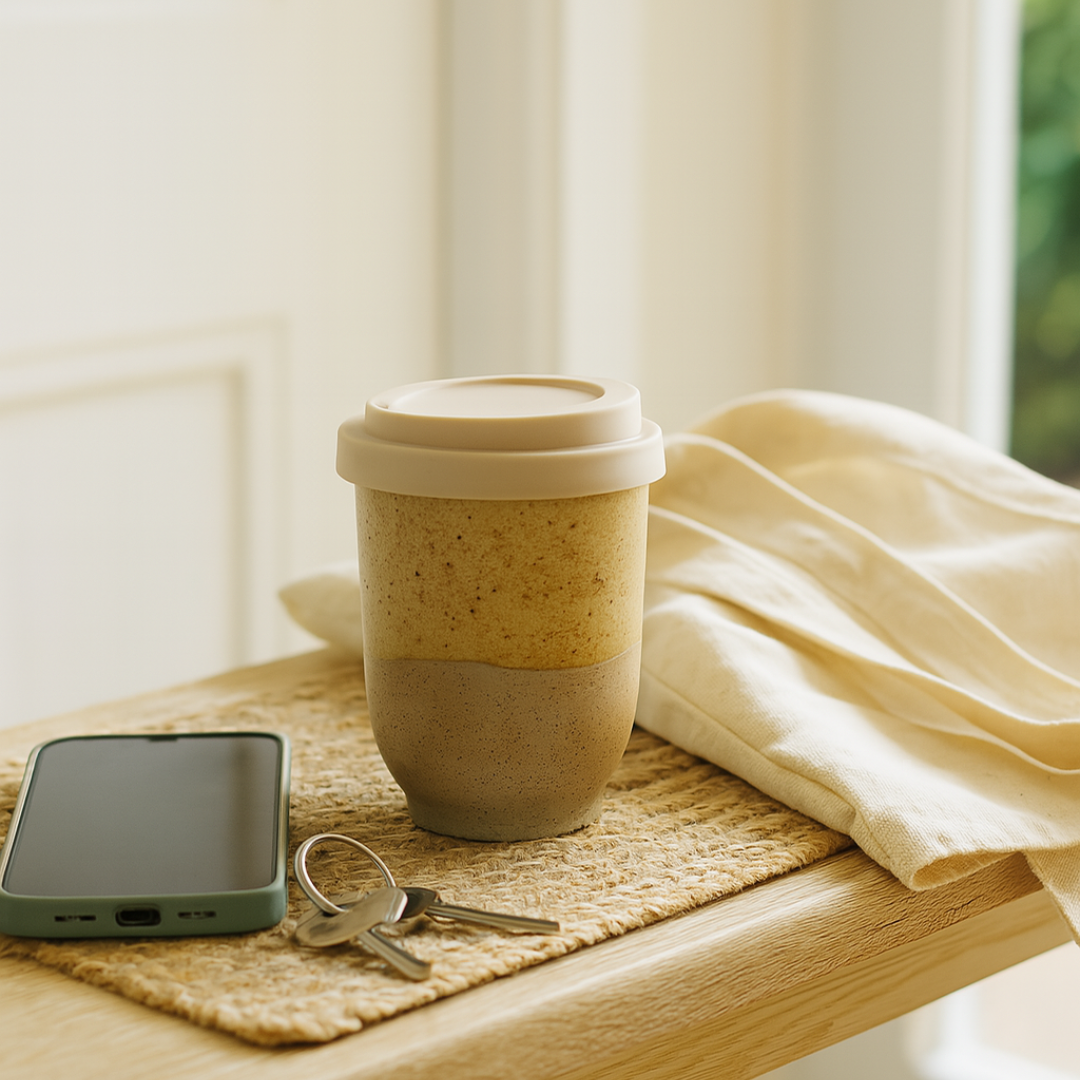
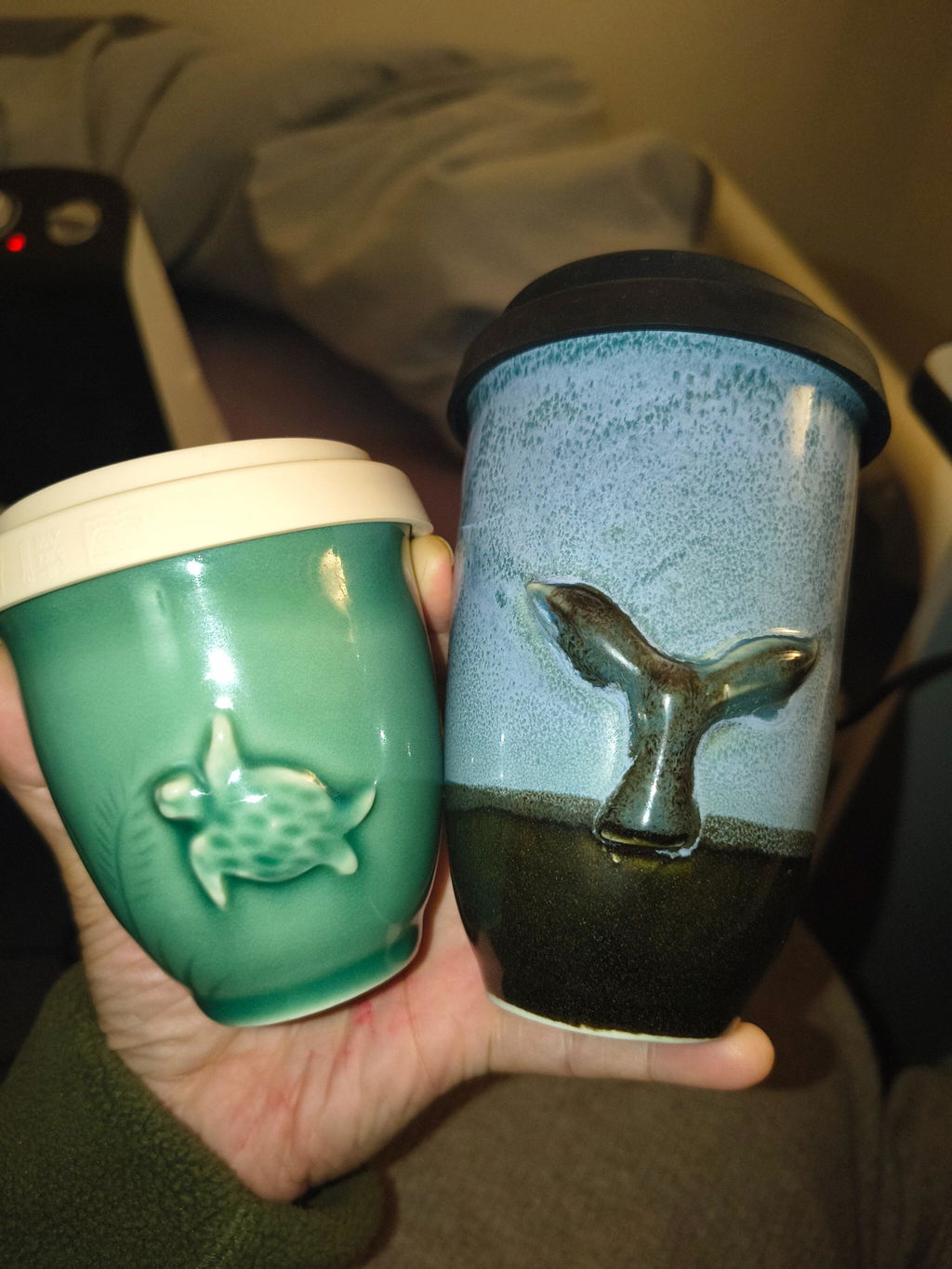
That’s why our handcrafted ceramic Matcha Bowls are made without plastic, coatings, or synthetic linings. The wide interior makes whisking easy, and the smooth pouring spout prevents spills, while preserving the pure flavour and clean ritual of your matcha [4]. Plus, it makes it easy to transfer your perfectly whisked matcha into your favourite vessel (we love these ceramic Mugs and Reusable Coffee Cups), without spills.
Key Features:
✔ Smooth, wide interior for optimal whisking
✔ Artisan craftsmanship—each bowl is unique
✔ Convenient spout for effortless, spill-free pouring
✔ 100% plastic-free for toxin-free peace of mind
✔ Connection to tradition, sustainability, and mindful living
Read on to see how to create the perfect cup of matcha at home!

How to Make the Perfect Cup of Matcha at Home
If you want to experience all the matcha health benefits, preparation matters. Here’s how to make the perfect, frothy cup:
You’ll Need:
-
High-quality matcha powder - we love T2’s Ceremonial Grade Matchas
-
Bamboo whisk
-
Hot water (about 80°C)
-
Plant-based milk of choice*
*Note: Why plant-based milk? A 2011 study published in Nutrients found that consuming dairy milk proteins alongside green tea may interfere with the tea’s thermogenic (metabolism-boosting) effects [5].
Steps to Make an Iced Matcha Latte

1. Add 1-2 teaspoons (around 4g) of ceremonial-grade matcha to your Matcha Bowl.

2. Pour in 40-60ml of hot water. Aim for water just below boiling, around approximately 80°C. Boiling water can scorch the delicate matcha powder, resulting in bitterness and the loss of some of its beneficial nutrients. Slightly cooler water preserves both the flavour and health benefits.

3. Whisk vigorously in a zig-zag or “W” motion until smooth and frothy.
4. Fill a glass with ice cubes.

5. Pour the whisked matcha over the ice using your matcha bowl’s spout.
6. Top up with your preferred plant-based milk.
7. Stir gently and enjoy mindfully.
Sip Safely, Sip Mindfully
The true benefits of matcha and green tea come from mindful choices. From sourcing clean, premium powders to selecting plastic-free, artisan tools, every decision shapes your ritual—and protects your health.
Our handcrafted Matcha Bowls offer the perfect way to enjoy your matcha, celebrate tradition, and avoid hidden toxins.
References:
-
Frank, C. (2024, November 25). Matcha: A Look at Possible Health Benefits. Harvard Health. https://www.health.harvard.edu/staying-healthy/matcha-a-look-at-possible-health-benefits
-
T2 Tea. Matcha Benefits. https://www.t2tea.com/en/au/articles/matcha-benefits.html
-
Burkart, Y. (2024). @dryvonneburkart Instagram Post. https://www.instagram.com/p/C-YrQsWyr6y/?hl=en&img_index=4
-
Huberman, A. (2024, October 21). The Effects of Microplastics on Your Health & How to Reduce Them. Huberman Lab Podcast. https://www.hubermanlab.com/episode/the-effects-of-microplastics-on-your-health-how-to-reduce-them
-
Hursel, R., & Westerterp-Plantenga, M. S. (2011). Consumption of Milk-Protein Combined with Green Tea Modulates Diet-Induced Thermogenesis. Nutrients, 3(8), 725–733. https://www.ncbi.nlm.nih.gov/pmc/articles/PMC3257698/