How Single-Use Plastics Are Harming Our Oceans — And How You Can Help

Every winter, the coastline around Noosa transforms into a front-row seat for one of nature’s greatest migrations. Humpback whales travel thousands of kilometres along Australia's east coast, gliding past the beaches that inspire our pottery every day.
It’s an incredible reminder of the beauty—and fragility—of our oceans.
But while we marvel at these gentle giants breaching offshore, many face invisible dangers beneath the waves: plastic pollution, discarded fishing lines, and ocean debris that entangles, injures, and kills marine life [1][2].
The Reality Beneath the Surface
More than 12 million tonnes of plastic enter the ocean each year [3], much of it mistaken for food or becoming deadly traps:
-
30% of turtles in Queensland have plastic inside them, often mistaking bags for jellyfish [2]
-
100,000 marine mammals, including whales, die every year from plastic entanglement or ingestion [1]
-
If trends continue, 99% of seabirds will be ingesting plastic by 2050 [1]
And this isn’t just a distant problem—it’s happening right here, along the same stretch of coastline where whales migrate, and where we draw daily inspiration for our sustainably made ceramics.

Introducing the Whale Cup — A Local Tribute, A Global Impact
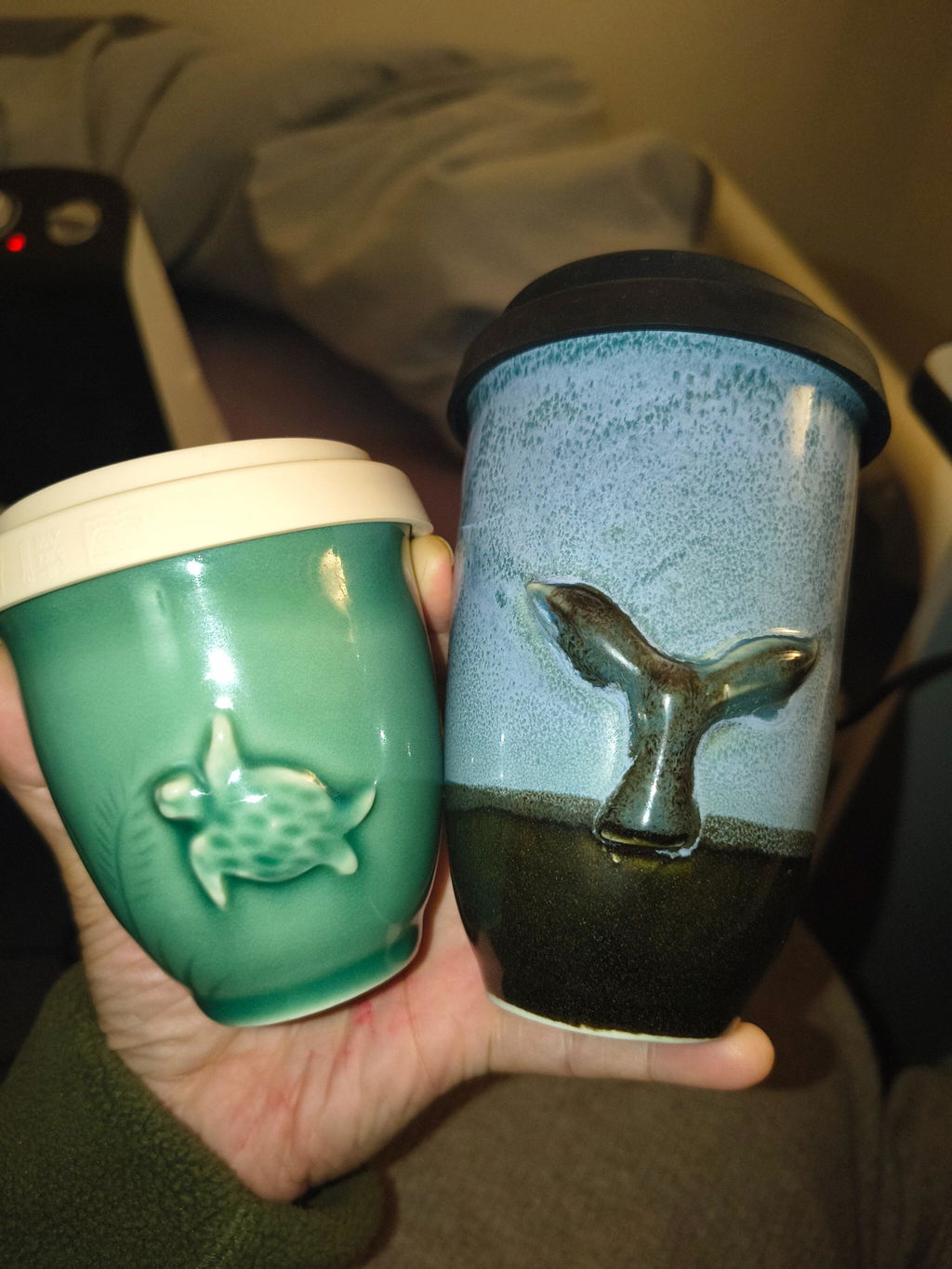
We created the Handmade Reusable Whale Cup as a tribute to these awe-inspiring travellers. Featuring serene whales drifting through deep ocean blues, each Cup is a reminder of why protecting our oceans matters.
And it goes beyond awareness:
-
$5 from every Whale Cup sold supports Sea Shepherd, whose volunteers have already removed over 7 million pieces of trash from Australia's beaches and waterways [4]
-
Choosing reusable Cups reduces the demand for single-use plastics, items responsible for devastating impacts on marine life and ecosystems
When you sip from your Whale Cup, you’re not just ditching plastic, you’re standing with the whales, with Sea Shepherd, and with our community in the fight to protect our oceans.

Where Your Donation Goes — Supporting Sea Shepherd's Frontline Work
Sea Shepherd has been defending marine life for over 45 years through direct action. Your Whale Cup purchase helps fund their ongoing Marine Debris Campaign, which removes deadly ocean plastics from our beaches, waterways, and marine habitats.
In addition to clean-ups, Sea Shepherd runs global initiatives to:
-
Stop illegal fishing and poaching operations
-
Protect whales, dolphins, turtles, and other vulnerable species
-
Advocate for ocean health and reduce plastic pollution at the source
Your contribution helps keep their ships on the water, their crew in action, and our oceans protected for future generations.
Small Acts, Big Waves of Change
Whale season in Noosa is a celebration of nature, but it also reminds us how fragile our marine environment is. Every reusable Cup, every clean-up, every conscious choice counts.
Join us. Shop the Whale Cup or explore our Reusables collection.
Together, we can protect what we love, one Cup, one whale, one wave at a time.
References:
[1] Sea Shepherd, Plastic Pollution & Marine Life. https://www.seashepherd.org.au/latest-news/plastic-pollution-solutions/
[2] Boomerang Alliance, Impacts of Plastic Pollution. https://www.boomerangalliance.org.au/impacts
[3] Marine Conservation Australia, Ocean Plastic Pollution. https://www.marineconservation.org.au/ocean-plastic-pollution/
[4] Sea Shepherd, Marine Debris Campaign. https://www.seashepherd.org.au/